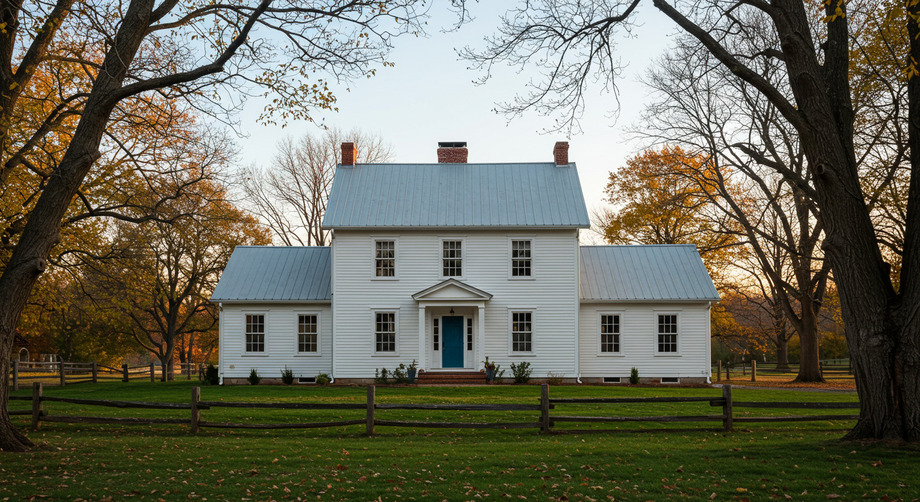
When it comes to updating a farmhouse, window installation is more than just a cosmetic or energy-efficiency upgrade—it’s a delicate balance between honouring heritage and embracing modern performance. Particularly in the UK, where many rural farmhouses are subject to conservation planning restrictions, choosing and installing new windows becomes a journey through architectural history, regulatory navigation, and expert craftsmanship.
In this article, we explore how to approach new window installation in a farmhouse with conservation planning in mind, offering guidance on design, materials, legal considerations, and practical solutions that preserve the past while preparing your home for the future.
Understanding Conservation Planning: Why It Matters
Conservation planning exists to protect buildings of historical or architectural significance. In rural areas, especially in and around Areas of Outstanding Natural Beauty (AONBs), National Parks, or conservation zones, farmhouses often fall under tight scrutiny. Even if a farmhouse is not formally listed, it may be in a conservation area where certain permitted development rights do not apply.
These restrictions aim to safeguard the visual character and historic value of buildings, including features such as stonework, roofing, and, crucially, windows. The original fenestration (window arrangement and design) is considered integral to the building’s aesthetic and heritage.
When Do You Need Planning Permission for New Windows?
If your farmhouse is listed or in a conservation area, you’ll typically need Listed Building Consent or planning permission to:
- Replace windows with a different style or material
- Install double glazing where none existed before
- Alter the size or shape of existing window openings
- Use modern frames such as uPVC instead of timber
Even maintenance tasks, like repainting in a non-traditional colour or adding security bars, may require approval.
Tip: Always consult your local planning authority (LPA) before beginning work. A pre-application discussion can save you time, money, and potential fines.
Designing Windows That Respect Tradition
Historic farmhouses in the UK often feature sash windows, mullioned casements, or small-pane wooden frames—each with their own quirks and period features. When installing new windows under conservation constraints, the golden rule is like-for-like replacement—replacing windows with ones that match the original design as closely as possible.
Key Features to Consider:
- Proportions and Pane Layouts: Multi-pane configurations, such as 6-over-6 or 8-over-8 sashes, must often be retained.
- Glazing Bars: Slender wooden glazing bars separating individual panes should be faithfully replicated.
- Frame Profiles: Flush casements or deep-set sashes are characteristic of older properties and should be preserved in replacement designs.
- Paint Finish: Traditional paint colours like heritage whites, creams, or muted greens are often preferred over modern, high-gloss finishes.
Material Matters: Timber vs. Modern Alternatives
While conservation officers usually favour timber windows, modern materials like aluminium and composite can sometimes be approved if they closely mimic traditional aesthetics.
Timber Windows:
- Pros: Authentic appearance, excellent insulation, and conservation-friendly.
- Cons: Require regular maintenance, susceptible to rot if not well-treated.
Aluminium or Composite Windows:
- Pros: Low maintenance, excellent durability, slimmer profiles.
- Cons: May not meet conservation guidelines without special approval.
In recent years, engineered timber and timber-look composite frames have gained popularity for offering the best of both worlds: historic charm with modern performance.
The Double Glazing Dilemma
Traditional farmhouses often have single-glazed windows, but double glazing offers a huge benefit in terms of energy efficiency. However, double glazing can be a sticking point in conservation areas due to:
- Thicker profiles altering the visual balance
- Reflective coatings changing the appearance of the glass
- Spacer bars and seals becoming visible from the outside
The solution? Slim-profile double glazing (also called “slimline units” or “heritage glazing”) which mimics the look of traditional single glazing but with two thin panes of glass separated by an ultra-slim cavity. These are often acceptable in sensitive locations when paired with appropriate timber frames.
Case Study: A Sustainable Update to a 19th Century Hertfordshire Farmhouse
In rural Hertfordshire, a homeowner recently upgraded their 19th-century red brick farmhouse under strict conservation oversight. The original single-pane sash windows were draughty, inefficient, and beginning to rot. After a detailed consultation with conservation officers and a heritage window specialist, the solution involved:
- Bespoke timber sash windows with slimline double glazing
- Handcrafted glazing bars replicating the originals
- Traditional putty finish to hold the glass in place
- Micro-ventilation built into the frame to comply with Building Regulations
The project took six months from planning to installation, but the result was a seamless blend of old-world charm and 21st-century efficiency—with full sign-off from the local council.
Working with Specialists: Why Experience Counts
Installing new windows in a conservation area is not a job for a standard glazing contractor. Instead, seek out FENSA-registered or Conservation Accredited window installers with experience in heritage properties. They’ll understand:
- How to produce detailed window surveys and elevation drawings
- The nuances of glazing bar thickness and putty profiles
- How to work with conservation officers and architects
- How to source or manufacture heritage-appropriate windows
Ideally, your installer should be able to liaise with your planning department, help with documentation, and manage both window installation st albans and compliance under one roof.
Balancing Sustainability with Heritage
In addition to planning considerations, many homeowners want their renovations to reflect sustainability values. Fortunately, new window technologies allow for this without compromising heritage aesthetics. Look for:
- FSC-certified or sustainably harvested timber
- Low-emissivity (Low-E) glass coatings for energy performance
- Recyclable materials for frame construction
- Draught-proofing and ventilation systems built into heritage-style frames
Where full replacement isn’t viable, secondary glazing can also be a solution. This involves installing a discreet internal glazing panel behind the existing window, improving insulation while leaving the original window intact.
The Cost of Conservation-Sensitive Window Installation
As expected, working within conservation guidelines often adds cost. Bespoke timber windows with slimline double glazing can cost between £1,000 to £2,500 per window, depending on size, detail, and materials. Planning applications, architectural drawings, and heritage consultations may also add several hundred to several thousand pounds to your budget.
However, the investment pays off in the long term—not just in lower heating bills, but in increased property value and the satisfaction of maintaining architectural heritage.
Final Thoughts: Looking Through Time
Replacing farmhouse windows in conservation areas is an act of stewardship. It’s not just about aesthetics—it’s about protecting the cultural narrative etched into every sash, mullion, and frame. With careful planning, expert advice, and the right materials, it’s entirely possible to install beautiful, efficient new windows that blend seamlessly into the character of your farmhouse while meeting all regulatory needs.
After all, the windows of a home don’t just let the light in—they frame the story of the people who lived there before, and the lives that will follow.